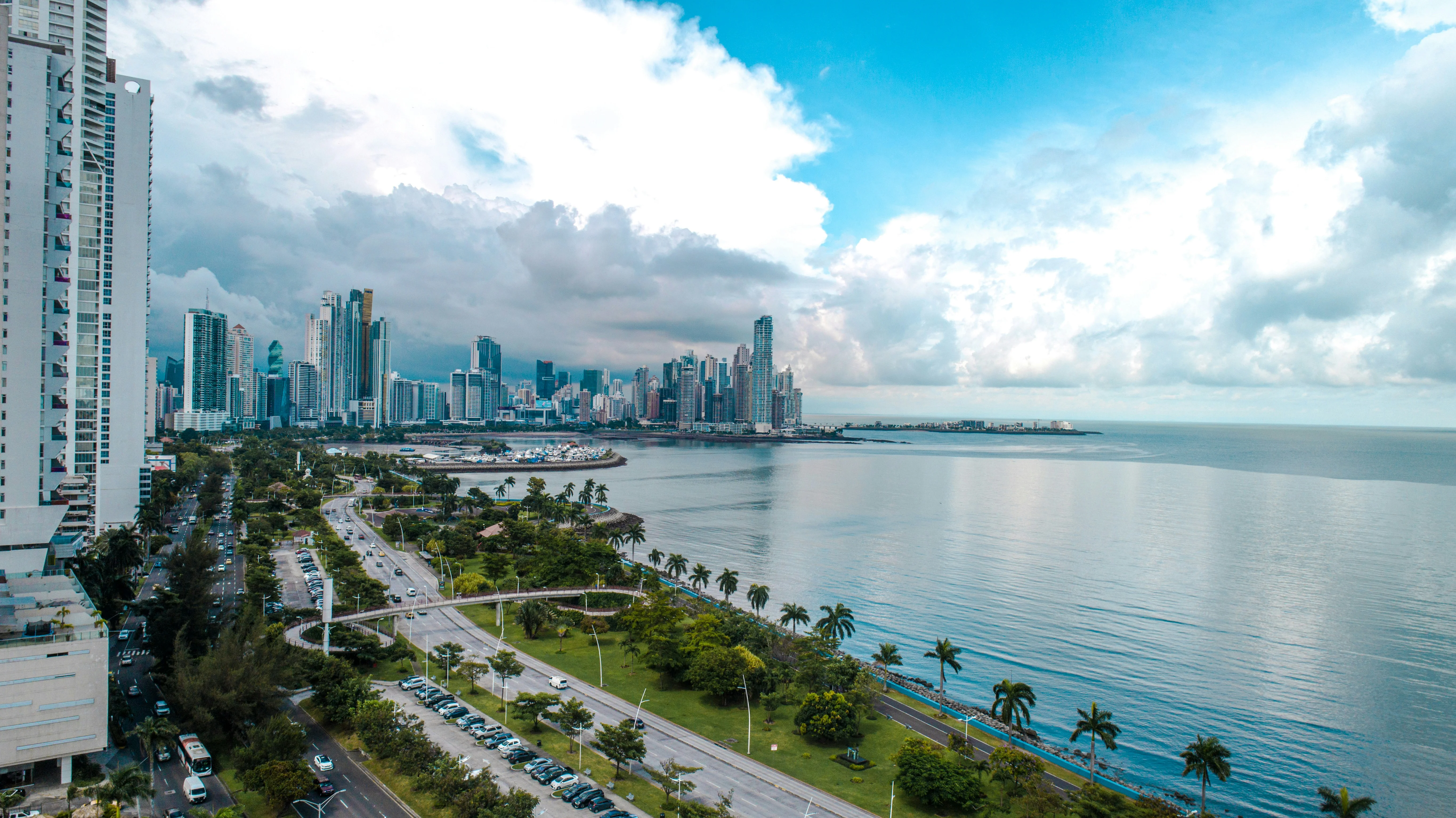
Panama Real Estate in 2026: What Buyers Need to Know Right Now
Inventory is tight in the best neighborhoods, financing options have improved, and prices in key zones are up 8–12% year over year. Here's what I'm seeing on the ground.
Carlos Méndez
Licensed Real Estate Broker · Panama City
Carlos has been brokering residential and investment properties in Panama for 14 years, specializing in Punta Pacífica, Costa del Este, and the Cinta Costera corridor.
The first half of 2026 has been unusually active in Panama City’s residential market. I’m sharing what I’m actually observing with clients — not a press release, not projections. Real numbers, real dynamics.
Inventory is the main story
Listing inventory in the top neighborhoods is down roughly 30% compared to two years ago. That’s not because fewer people want to sell — it’s because new construction delivery slowed during 2023–2024 (supply chain and financing issues post-pandemic), and the pipeline is only now catching up.
The practical effect: good units at fair prices move in days, not weeks. If you find a property that checks your boxes and is priced correctly, waiting a week to “think about it” usually means losing it.
Where prices stand
- Punta Pacífica / Punta Paitilla: $2,200–$3,800/m² for resale. New delivery towers start at $2,800.
- Costa del Este: $1,800–$2,600/m². Still the most family-oriented area with the best infrastructure.
- Casco Viejo: $2,500–$4,500/m² for renovated units. High demand, very limited supply.
- San Francisco / Marbella: $1,400–$2,000/m². Best value-to-location ratio for buyers not needing ocean views.
- Coronado (beach): $900–$1,600/m². Good for part-time living or rental income.
Year-over-year appreciation in the prime zones is running 8–12%. That’s above historical average, driven by reduced inventory and continued inbound relocation demand.
Financing improvements for foreigners
This is genuinely good news. Several local banks — notably Banistmo and Global Bank — have streamlined their mortgage processes for foreign residents with Panamanian income or a local residency visa. Rates are hovering around 6.5–7.5% for dollar-denominated mortgages (Panama uses USD), and loan-to-value ratios of up to 70% are achievable.
The catch: you need at least 6 months of banking history in Panama before most institutions will underwrite the loan. That’s why I always tell clients to open a local bank account as soon as they arrive, even before they’re ready to buy.
What I’d recommend for 2026 buyers
- Get pre-qualified early. Not to rush, but to know your real ceiling and avoid the heartbreak of falling in love with something out of range.
- Focus on the right floor, not just the building. In high-rises, floors 15–25 typically offer the best value — high enough for views and noise reduction, not so high that the elevators become a quality-of-life issue.
- Negotiate closing costs, not just price. In a tight market, sellers are less flexible on headline price but often willing to absorb legal fees, transfer taxes, or furniture packages.
- Don’t skip the title study. Panama’s property registry is generally reliable, but title searches occasionally surface liens, encumbrances, or zoning restrictions that change the picture entirely.
If you have specific questions about any neighborhood or building, feel free to reach out through Beyond Panama Relocation — they know how to get me.
Ready for your next step?
Take the quiz to get a personalized relocation route in 2 minutes.
Take the quiz →